About Black Tea
TEA EDUCATIONNEWSLETTER ARTICLES
3/5/20261 min read
Qualities
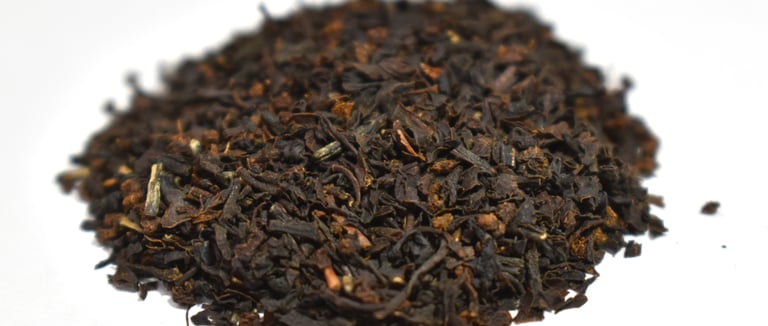
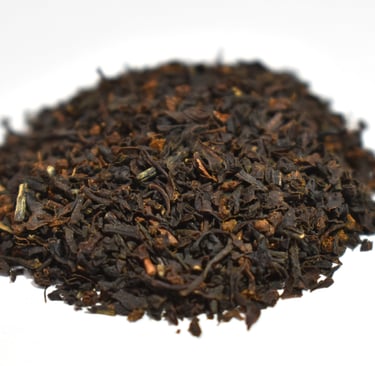
Black tea is the most commonly consumed type of tea in the world, and is heavily favored in many Western countries. It has a high-caffeine content (about 45-75 mg, which is typically half that of coffee). It is fully-oxidized, resulting in a tea that has stronger, more robust flavors than many other tea types. Some popular variations of black teas are breakfast teas, Assam tea, Ceylon tea, Darjeeling tea, Lapsang souchong tea, Keemun tea, and Yunnan tea. Flavored varieties like Earl Grey, Lady Grey, and Masala Chai are also popular.
Production Methods
Black teas typically undergo a 5-step manufacturing process:
The tea leaves are harvested, then left to wither. Withering involves exposing the harvested tea leaves to air for a period of time. This step reduces the moisture content of the leaves and allows the leaves to start developing complex flavors. Withering also causes the membranes of the leaves to break down, which results in the leaves being softer and more pliable. Since the leaves are less rigid after withering, they are less likely to break during the production process.
After withering, the tea leaves are then rolled. Rolling is the process during which the leaves are crushed, often with a large roller. This breaks down the leaves’ cell walls, thus speeding up the oxidation process.
Next, the tea leaves are oxidized. This means that they go through a series of chemical reactions that brown the leaves and develop the final flavor and aroma of the tea.
Once the tea leaves are fully oxidized, they are fired in order to stop the oxidation process and to completely dry the finished tea.
Socials
Information